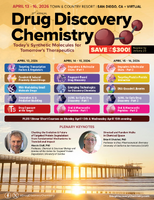
2026年 晚餐短期课程* (仅限面对面实体会议)

*需要较高价报名费或单独报名

Drug Discovery Chemistry的短期课程旨在具有指导性、互动性,并提供关于特定主题的深入资讯,以及贯穿始终的问答机会。这些课程为刚接触这个领域的新手及希望了解更多资讯的人阐述说明在主体会议的简报单元囚于时间限制而不及深入的拔术面入门知识。讲师来自业界和学术界,其中多数是该领域公认的权威或具有教学经验的指导者。

短期晚餐课程将于 4 月 13 日星期一和 4 月 15 日星期三晚上举行,对现场与会者开放。


Monday, April 13, 2026  6:00 - 8:30 pm

SC1: Protein Degraders: A Beyond Rule of Five Space and in vitro ADME Perspective

This course focuses on proteolysis targeting chimeras (PROTACs) and will cover topics relevant to developing them as oral therapeutics. Topics to be covered in this first part of the course will include their physicochemical properties and how these influence solubility and permeability and assays to determine polarity. We will also examine ADME topics focusing on in vitro assays for characterization of PROTACs and glues.
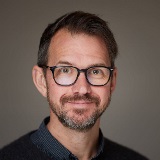
John Erve, PhD, President, Jerve Scientific Consulting
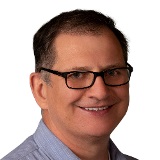
Stefanus Steyn, PhD, Research Fellow, Pharmacokinetics Dynamics & Metabolism, Pfizer

Instructors:

John Erve, PhD, President, Jerve Scientific Consulting

Stefanus Steyn, PhD, Research Fellow, Pharmacokinetics Dynamics & Metabolism, Pfizer


Topics to be Covered: 

  • Comparison of Rule of 5 and Beyond Rule of 5 space
  • Importance of intramolecular hydrogen bonds for solubility and permeability
  • Determining chameleonicity and its importance for PROTACs
  • In vitro-assays to measure key ADME-features of degraders
  • Pitfalls and points to consider when assessing degrader's ADME-features
  • Linking in vitro- to in vivo-findings in terms of PK and PD

Who Should Attend:

Scientists in the field of proteolysis targeting chimeras (PROTACs) and would like to deepen their understanding of these molecules and the physicochemical attributes that may contribute to their success as oral drugs. ADME scientists and medicinal chemists wishing to understand PROTACs from a drug safety and metabolism perspective. Graduate students and academic scientists interested in learning more about this rapidly developing new drug modality.

INSTRUCTOR BIOGRAPHIES:

John Erve, PhD, President, Jerve Scientific Consulting

John Erve is from Chicago and studied Chemistry (BS, MS) at the University of Chicago and earned a PhD in Toxicology at Oregon State University. Following postdoctoral work at Vanderbilt (1995-1999) he joined BD-Biosciences (Woburn, MA) as a Study Director. In 2002, he joined AstraZeneca (Sweden) where he characterized reactive metabolites. In 2004 he joined Wyeth (Collegeville, PA) as a Principal Scientist responsible for metabolite identification. In 2010, John joined Novartis (Cambridge, MA) as a Lab Head in Analytical Sciences. John returned to drug metabolism at Elan Pharmaceuticals (San Francisco, CA) in 2012 and later formed Jerve Scientific Consulting, Inc to help small biotech companies in the Bay area with their drug discovery efforts. John was a certified D.A.B.T. from 2004 to 2019.

Stefanus Steyn, PhD, Research Fellow, Pharmacokinetics Dynamics & Metabolism, Pfizer

I have a Ph.D. in Pharmaceutical Chemistry and completed post-doctoral studies in the laboratory of Professor Neal Castagnoli at Virginia Tech. I have over 20 years pharmaceutical industry experience with over forty co-authored publications. I have spent most of my career at Pfizer in various roles within PDM (DMPK), supporting projects ranging from oncology to neuroscience and currently, Inflammation and Immunology (I&I). I am currently a Research Fellow, and my responsibilities include setting the DMPK research and project strategies within the I&I Research Unit. In addition, my team and I function as Project Representative within I&I while I also have responsibilities as a Research Project Lead for various Discovery programs. My interests include prediction of human ADME as well as exploring physicochemical properties and how they relate to ADME with a focus on absorption. PROTACs are of special interest given their unique beyond Rule-of-5 properties and the ADME challenges they present relative to classical small molecules.

SC2: Fragment-Based Drug Design: Advancing Tools and Technologies

This course aims to introduce the fundamentals of Fragment-Based Lead Discovery (FBLD) to attendees. The first section will focus on the concepts of using fragments for hit generation. Special emphasis will be placed on practical pitfalls and the many ways to advance fragments to leads and drugs. The second part of the course will discuss the variety of fragment screening methods and when they are best applied. The composition of fragment libraries will also be discussed in detail. The attendees should come away from this course with a solid understanding of what FBLD is and how to apply it.
Daniel A. Erlanson, PhD, Chief Innovation Officer, Frontier Medicines Corporation
Ben J. Davis, PhD, Research Fellow, Biology, Vernalis R&D Ltd.

Instructors:

Daniel A. Erlanson, PhD, Chief Innovation Officer, Frontier Medicines Corporation

Ben J. Davis, PhD, Research Fellow, Biology, Vernalis R&D Ltd.


Topics to be Covered:

  • Pros and cons of fragment-based approaches 
  • What makes a good fragment; properties of a good fragment library 
  • Finding, validating, and characterizing low-affinity ligands 
  • The importance of using orthogonal screening methods
  • What to do with a fragment-growing, linking, and more

INSTRUCTOR BIOGRAPHIES:
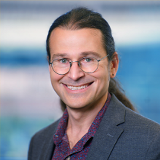
Daniel A. Erlanson, PhD, Chief Innovation Officer, Frontier Medicines Corporation
Dr. Daniel A. Erlanson is the Chief Innovation Officer for Frontier Medicines, which is using covalent fragments, machine learning, and chemoproteomics to target proteins often thought undruggable. Prior to Frontier he co-founded Carmot Therapeutics, where he contributed to two clinical-stage molecules. Before Carmot, Dr. Erlanson spent a decade developing fragment-based discovery technologies and leading medicinal chemistry projects at Sunesis Pharmaceuticals. Dr. Erlanson was an NIH postdoctoral fellow with James A. Wells at Genentech, earned his PhD in chemistry from Harvard University in the laboratory of Gregory L. Verdine, and his BA in chemistry from Carleton College. He has co-edited two books on fragment-based drug discovery and is an inventor on more than a dozen issued patents and an author of more than forty scientific publications. He also runs a blog devoted to fragment-based drug discovery, Practical Fragments (http://practicalfragments.blogspot.com/).

Ben J. Davis, PhD, Research Fellow, Biology, Vernalis R&D Ltd.

Dr. Ben Davis is a Research Fellow at Vernalis Research, a biotech company based in Cambridge UK which has been at the forefront of fragment-based approaches since 1998. An NMR spectroscopist and biophysicist by training, his current research focus is the development of biophysics and FBLD methods for challenging therapeutic targets and systems. Dr Davis studied for his PhD in protein folding and molecular interactions with Professor Alan Fersht at Cambridge University, and then studied the interactions of small molecules with proteins and RNA. He has over 20 years’ experience in the drug discovery industry. He has contributed to seven books over the last decade and is an author on more than forty scientific publications. He is a frequent speaker at scientific conferences and has been running FBLD training workshops since 2007.

SC3: Next-Gen AI Toolkit for Drug Discovery: From LLMs to Multi-Agent Systems

This short course provides an overview of the next generation of AI toolkits for drug discovery, with a focus on the transition from large language models (LLMs) to multi-agent systems. The session will introduce participants to recent advances in generative and agentic AI and explore how these innovations are reshaping the way researchers approach molecular design, synthesis planning, and knowledge integration. Through a structured presentation of concepts, frameworks, and curated resources, the course will highlight practical avenues by which scientists can apply AI in their own research. Attendees will be introduced to emerging approaches such as agentic workflows, evolving and multi-agent frameworks, and examples of AI-driven discovery pipelines that connect predictive models with generative design.
Parthiban Srinivasan, PhD, Professor and Director, Centre for AI in Medicine, Vinayaka Mission's Research Foundation, India

Petrina Kamya, PhD, Global Head of AI Platforms & Vice President, Insilico Medicine; President, Insilico Medicine Canada

Instructors:

Parthiban Srinivasan, PhD, Professor and Director, Centre for AI in Medicine, Vinayaka Mission's Research Foundation, India

Petrina Kamya, PhD, Global Head of AI Platforms & Vice President, Insilico Medicine; President, Insilico Medicine Canada


Topics to be Covered:    

  • A clear understanding of how drug discovery is shifting from LLM-based tools to multi-agent AI ecosystems 
  • Insights into the role of foundation models, Sci-LLMs, and agentic frameworks in accelerating pharmaceutical innovation
  • Access to curated links, references, and resources for further exploration and practical application beyond the course 

Who Should Attend:

This forward-looking course is designed for medicinal chemists, drug discovery researchers, computational scientists, molecular modelers, and  pharma professionals, seeking to harness the capabilities of modern generative AI concepts and want to stay ahead of the curve in the rapidly evolving landscape of AI and drug discovery.

INSTRUCTOR BIOGRAPHIES:

Parthiban Srinivasan, PhD, Professor and Director, Centre for AI in Medicine, Vinayaka Mission's Research Foundation, India

Parthiban Srinivasan, an experienced data scientist, earned his PhD from Indian Institute of Science, specializing in Computational Chemistry. After his PhD, he continued the research at NASA Ames Research Center (USA) and Weizmann Institute of Science (Israel). Then he worked at AstraZeneca in the area of Computer Aided Drug Design for Tuberculosis. Later, he headed informatics business units in Jubilant Biosys and then in GvkBio before he floated the company, Parthys Reverse Informatics and later an AI consultancy, Vingyani. Then he returned to academia as a Professor of Data Science at the Indian Institute of Science Education and Research, Bhopal. Currently, Parthiban is a Professor and Director at the Center for AI in Medicine, Vinayaka Missions Research Foundation, AV Medical College and Hospital, Puducherry, India

Petrina Kamya, PhD, Global Head of AI Platforms & Vice President, Insilico Medicine; President, Insilico Medicine Canada

Petrina Kamya, PhD, is the Head of AI Platforms and President of Insilico Medicine, Canada an end-to-end artificial intelligence-driven drug discovery company. Before joining Insilico, Dr. Kamya spent eight years in various roles at Chemical Computing Group that involved scientific and business-related aspects of preclinical drug discovery. In addition to establishing the corporate strategy for the sales and business development of molecular modeling software for academia, she also played an active role as an application scientist working on real-world discovery projects and finally in a senior role in strategy and business development for pharma and biotech companies. Following her time at CCG, Petrina moved to Certara as a Market Access Manager, where she learned first-hand the challenges of getting drugs to market. Petrina has been with Insilico Medicine since August 2020. She holds a PhD in Chemistry (specializing in computational chemistry) from Concordia University.

SC4: From Biophysics to Cellular Target Engagement: Tools for Small Molecule Ligand Identification & Analysis

This course covers biophysical and biochemical strategies for discovering small molecules that engage difficult-to-drug protein targets such as protein-protein interactions (PPIs) and G protein-coupled receptors (GPCRs). You'll hear introductions to various technologies, case studies of their applications, and insights on the challenges for which the particular approach is best suited.
Hans-Peter N. Biemann, PhD, Distinguished Scientist, Integrated Drug Discovery, Sanofi
Karanbir Pahil, PhD, Senior Principal Scientist, Affinity Selections & Biophysics, GlaxoSmithKline
Matthew T. Eddy, PhD, Assistant Professor, Chemistry, University of Florida, Gainesville
Elmar Nurmemmedov, PhD, MBA, Co-Founder & CEO, CellarisBio

Instructors:

Hans-Peter N. Biemann, PhD, Distinguished Scientist, Integrated Drug Discovery, Sanofi

Karanbir Pahil, PhD, Senior Principal Scientist, Affinity Selections & Biophysics, GlaxoSmithKline

Matthew T. Eddy, PhD, Assistant Professor, Chemistry, University of Florida, Gainesville

Elmar Nurmemmedov, PhD, MBA, Co-Founder & CEO, CellarisBio


Topics to be Covered:

  • Affinity Selection Mass Spectrometry (ASMS): Overview, Outsourcing --Hans Biemann, Sanofi\
  • Applying Orthogonal Biophysical Tools to Hit Discovery & Follow-Up: SPR, Mass Spectrometry, ASMS, Thermal Shift assays - Karanbir Pahil, GSK
  • Biophysical Approaches for GPCRs: NMR, CryoEM advances, Nanodiscs -- Matthew Eddy, University of Florida
  • Fluorescence Resonance Energy Transfer (FRET) & Cellular Target Engagement -- Elmar Nurmemmedov, CellarisBio

INSTRUCTOR BIOGRAPHIES:
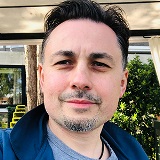
Hans-Peter N. Biemann, PhD, Distinguished Scientist, Integrated Drug Discovery, Sanofi

Hans-Peter Biemann has originated innovative discovery programs and applied emerging small molecule technologies during tenures in Genzyme’s and Sanofi’s Drug Discovery units. Contributions on preclinical and clinical agents have included partnerships with academic leaders and start-ups. Working across various disciplines (protein biochemistry, cell biology, structural biology, biophysics), Hans has conducted and led phenotypic, fragment-based, and HTS-based drug discovery. He established productive FBDD, high-res Cryo EM drug design, Affinity Selection Mass Spectrometry over the past 15 years at Sanofi/Genzyme. Prior to joining Genzyme in the 1990s, he completed a post doc in Daniel Koshland’s U.C. Berkeley group and trained in Raymond Erikson’s Harvard group (PhD). His B.S. was earned at Yale.

Karanbir Pahil, PhD, Senior Principal Scientist, Affinity Selections & Biophysics, GlaxoSmithKline

Karan completed his graduate studies in Dan Kahne’s lab at Harvard. There, he studied the biogenesis of the bacterial outer membrane, and characterized inhibitors that kill by interfering with this process. He developed biochemical and structural methods to characterize the steps in lipopolysaccharide transport, and obtained structures of inhibitors bound to Lpt and Bam. His work has been published in Nature, and featured in The Guardian, Ars Technica, the LA Times, C&EN news, amongst other outlets. Currently, he works at GSK focusing on developing assays for hit qualification, understanding protein state, and DNA-encoded library screening methods.

Matthew T. Eddy, PhD, Assistant Professor, Chemistry, University of Florida, Gainesville

Matthew Eddy received his PhD in physical chemistry from the Massachusetts Institute of Technology in the laboratory of Professor Robert Griffin. During his PhD, Dr. Eddy developed new approaches for using nuclear magnetic resonance (NMR) in the solid state to determine structures of membrane proteins in cellular-like environments. Following his PhD, Dr. Eddy joined the laboratories of Professors Raymond Stevens and Kurt Wüthrich at The Scripps Research Institute as an American Cancer Society Postdoctoral Fellow, applying an integrative structural biology approach to study human G protein-coupled receptors (GPCRs) and focusing on applications of nuclear magnetic resonance to improve our understanding of GPCR allosteric functions. Dr. Eddy is currently an assistant professor in the Department of Chemistry at the University of Florida and affiliated faculty of the National High Magnetic Field Laboratory. His group continues to study human GPCRs to understand the role of the cellular environment in regulating GPCR dynamics, structure, and function.

Elmar Nurmemmedov, PhD, MBA, Co-Founder & CEO, CellarisBio

Elmar Nurmemmedov is a scientist in the field of drug discovery. PhD in molecular biophysics from Lund University, Sweden. Postdoctoral training from Harvard Medical School and Scripps Research Institute. Cofounder and CEO of CellarisBio.

Wednesday, April 15, 2026  6:15 - 8:45 pm

SC5: Protein Degraders: An in vivo ADME and Safety Perspective

This course focuses on proteolysis targeting chimeras (PROTACs) and will cover topics relevant to developing them as therapeutics. Topics to be covered in this part of the course will include looking at what is known about how PROTACs are metabolized in vivo and strategies to deliver them with adequate PK/PD. The unique mechanism of action of PROTACs gives rise to some drug safety issues not seen in small molecules, which will be discussed. Finally, we will explore the possible relevance of circadian rhythm to protein degradation and PROTACs.
Prasoon Chaturvedi, PhD, Vice President & Head, DMPK, C4 Therapeutics, Inc.
John Erve, PhD, President, Jerve Scientific Consulting

Instructors:

Prasoon Chaturvedi, PhD, Vice President & Head, DMPK, C4 Therapeutics, Inc.

John Erve, PhD, President, Jerve Scientific Consulting


Topics to be Covered:

  • In vivo ADME properties of PROTACs
  • Delivery of PROTACs
  • PROTAC PK-PD correlation
  • Safety issues unique to PROTACs
  • Circadian rhythm considerations

Who Should Attend:

Scientists in the field of proteolysis targeting chimeras (PROTACs) and would like to deepen their understanding of these molecules and the physicochemical attributes that may contribute to their success as oral drugs. ADME scientists and medicinal chemists wishing to understand PROTACs from a drug safety and metabolism perspective. Graduate students and academic scientists interested in learning more about this rapidly developing new drug modality.

INSTRUCTOR BIOGRAPHIES:

Prasoon Chaturvedi, PhD, Vice President & Head, DMPK, C4 Therapeutics, Inc.

Prasoon Chaturvedi, Ph.D., currently leads the DMPK efforts in the protein degrader space as Vice President, DMPK, at C4 Therapeutics in Watertown, MA. Over the last two decades, Prasoon has worked with numerous cutting-edge technologies to drive drug development endeavors in multiple therapeutic areas including infectious disease, oncology, hematology, cardiovascular, inflammation, and rare diseases leading to multiple successful IND, CTA, and NDA filings and has made key DMPK contributions for several marketed drugs including NUZYRA and ONPATTRO. Prasoon holds a Ph.D. from IIT, Roorkee (India), and did his postdoctoral training at E.K. Shriver Center of Harvard Medical School, MA.

John Erve, PhD, President, Jerve Scientific Consulting

John Erve is from Chicago and studied Chemistry (BS, MS) at the University of Chicago and earned a PhD in Toxicology at Oregon State University. Following postdoctoral work at Vanderbilt (1995-1999) he joined BD-Biosciences (Woburn, MA) as a Study Director. In 2002, he joined AstraZeneca (Sweden) where he characterized reactive metabolites. In 2004 he joined Wyeth (Collegeville, PA) as a Principal Scientist responsible for metabolite identification. In 2010, John joined Novartis (Cambridge, MA) as a Lab Head in Analytical Sciences. John returned to drug metabolism at Elan Pharmaceuticals (San Francisco, CA) in 2012 and later formed Jerve Scientific Consulting, Inc to help small biotech companies in the Bay area with their drug discovery efforts. John was a certified D.A.B.T. from 2004 to 2019.

SC6: Chemical Biology for Covalent Drug Discovery, Phenotypic Screening, and Target Deconvolution

This course is designed to provide an overview and best practices in the use of chemical biology probes and assays that have been developed for applications in early drug discovery. Next-generation chemoproteomic technologies such as proximity labeling proteomics (BioID, MicroMap, and MultiMap) and their application to drug discovery will also be discussed. Chemists and biologists working in lead generation, assay development, phenotypic screening, target discovery and deconvolution, target engagement and mechanism-of-action (MoA) studies will all benefit from attending this course. The instructors will share their knowledge and expertise around the use of various technologies and chemistries, and there will be time for open discussion and exchange of ideas.
Paul Brennan, PhD, Professor, Nuffield Department of Medicine, University of Oxford
Jarrett Remsberg, PhD, Senior Scientist, Discovery Technologies, Belharra Therapeutics
Angelo Andres, Senior Scientist, Chemical Biology, AstraZeneca

Instructors:

Paul Brennan, PhD, Professor, Nuffield Department of Medicine, University of Oxford

Jarrett Remsberg, PhD, Senior Scientist, Discovery Technologies, Belharra Therapeutics

Angelo Andres, Senior Scientist, Chemical Biology, AstraZeneca


Topics to be Covered: 

  • Chemical biology assays and probes for target engagement, deconvolution, and mechanistic understanding
  • Chemoproteomic methods and reagents for covalent ligand drug discovery
  • Comparison of various chemical biology approaches (mass spectrometry, affinity-bead methods, thermal profiling, and more)
  • Use of quantitative mass spectrometry-based proteomics and global proteomics
  • Cysteine profiling and covalent inhibitors for target discovery and occupancy
  • Design and screening of chemogenomics libraries for target identification
  • Case studies highlighting use of proteomics for target engagement and deconvolution
  • Proximity proteomics for discovering novel targets and assessing druggable hypothesis

INSTRUCTOR BIOGRAPHIES:
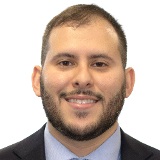
Paul Brennan, PhD, Professor, Nuffield Department of Medicine, University of Oxford

Paul Brennan received his PhD in organic chemistry from UC Berkeley. Following post-doctoral research at Cambridge University, Paul spent eight years working in the pharmaceutical industry at Amgen and Pfizer. After leaving Pfizer in 2011, Paul joined the Structural Genomics Consortium at the University of Oxford and led the chemical probes discovery effort on epigenetic targets. After leaving the SGC in 2019, Paul was Head of Chemistry and then Chief Scientific Officer of the Alzheimer’s Research UK Oxford Drug Discovery Institute where his research was focused on finding new treatments for dementia. In addition to dementia, over the course of his career, Paul has worked on discovering new medicines for cancer, incontinence, pain, rare diseases, and inflammation. Paul is currently Professor of Medicinal Chemistry and Director of the Centre for Medicines Discovery at the University of Oxford and a scientific advisor to the biotech and pharmaceutical industries. His research centre is focused on early medicines discovery for poorly treated diseases.

Jarrett Remsberg, PhD, Senior Scientist, Discovery Technologies, Belharra Therapeutics

Jarrett Remsberg first trained at the National Cancer Institute developing peptide-based inhibitors of membrane signaling pathways. He earned a BS in both Chemical-Biological Engineering and Biology from MIT and his PhD in Biochemistry and Molecular Biophysics at the University of Pennsylvania Perelman School of Medicine with Professor Mitch Lazar. Jarrett then joined the Cravatt Lab at Scripps Research for postdoctoral studies as an American Cancer Society Fellow. His research focused on applying chemoproteomic techniques to interrogate the ligandable proteome, including serine hydrolases involved in NRAS depalmitoylation and function-first strategies to assess the global impact of electrophilic compounds on protein complexes in human cells. Jarrett has since moved to industry as one of the first employees to join Belharra Therapeutics, establishing a novel photoaffinity-based chemoproteomic platform and continuing to advance mass spectrometry and chemoproteomic techniques to accelerate drug discovery.

Angelo Andres, Senior Scientist, Chemical Biology, AstraZeneca
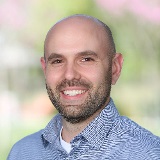
Angelo Andres is a Senior Scientist within the Chemical Biology & Proteomics group at AstraZeneca. Before embarking on his scientific journey he served in the GWOT with the U.S. Army. He then earned a PhD in Medicinal Chemistry from The University of Kansas where he specialized in the development of cellular probes and assays to study live cell target engagement by small molecules. At AstraZeneca he collaborates across functions to develop lysosomal degradation modalities, generate synthetic probes to facilitate lead generation, and applies proteomics to support drug discovery programs across multiple therapeutic modalities spanning small molecules, degraders, and cell therapies.

SC7: DNA-Encoded Libraries in Drug Discovery: Design, Screening, and Lead Development

This course provides a comprehensive overview of DNA-Encoded Library (DEL) technology, including library design, synthesis workflows, selection methodologies, data analysis, and hit identification. Participants will learn best practices for constructing and curating DEL collections, along with effective strategies for screening, prioritizing, and advancing hits from DEL campaigns, including emerging DEL applications. The course will also cover interpretation of selection data and the use of AI/ML approaches to accelerate hit-to-lead progression and early-stage drug discovery.
Svetlana Belyanskaya, PhD, Co-Founder, DEL Source; Former DEL Platform Manager; GSK; Vice President, Biology, Anagenex
Ghotas Evindar, PhD, Co-Founder & President, DEL Source; Former DEL Platform Senior Manager, GSK; and Head of Research at Exo Therapeutics and 1859
Ching-Hsuan Tsai, PhD, Executive Director, Structure Therapeutics

Instructors:

Svetlana Belyanskaya, PhD, Co-Founder, DEL Source; Former DEL Platform Manager; GSK; Vice President, Biology, Anagenex

Ghotas Evindar, PhD, Co-Founder & President, DEL Source; Former DEL Platform Senior Manager, GSK; and Head of Research at Exo Therapeutics and 1859

Ching-Hsuan Tsai, PhD, Executive Director, Structure Therapeutics


Topics to be Covered:

  • DEL Overview: Principles, advantages, and drug discovery applications 
  • Design & Synthesis: DNA coding, library architecture, and chemistry advances 
  • Screening Strategies: Affinity-based DEL selections, solution-phase, and OBOC
  • DELs Applications & Trends: Advances in cell-based and GPCR screening 
  • Data & Validation: Analysis pipelines, hit confirmation, and AIML applications

INSTRUCTOR BIOGRAPHIES:
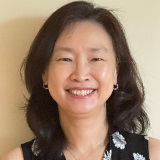
Svetlana Belyanskaya, PhD, Co-Founder, DEL Source; Former DEL Platform Manager; GSK; Vice President, Biology, Anagenex

Dr. Svetlana Belyanskaya is an expert in small molecule drug discovery and a globally recognized leader in DNA-Encoded Library (DEL) technology. With over two decades of hands-on experience, she played a key role in the discovery of the first DEL-derived compound to advance into clinical trials-a landmark achievement that helped validate the platform’s potential. Dr. Belyanskaya has been at the forefront of DEL innovation since its inception, driving platform development and hit discovery strategies at pioneering organizations such as Praecis Pharmaceuticals, GlaxoSmithKline (GSK), and Anagenex Inc. Her work integrates deep expertise in DEL screening, assay design, and early-stage drug development, bringing together scientific precision and strategic insight. A passionate advocate for the DEL community, she is a frequent speaker at international conferences, the author of numerous publications, and an instructor of specialized courses on DEL applications in modern drug discovery. She also serves as a strategic advisor to emerging biotech companies leveraging DEL technologies. Dr. Belyanskaya previously held senior scientific leadership roles at GSK and served as Vice President of Biology at Anagenex. She is currently the co-founder and executive leader at DEL Source Inc., where she continues to advance the field and shape the future of drug discovery. (LinkedIn).

Ghotas Evindar, PhD, Co-Founder & President, DEL Source; Former DEL Platform Senior Manager, GSK; and Head of Research at Exo Therapeutics and 1859

Dr. Ghotas Evindar is a recognized leader in drug discovery and a pioneer in DNA-Encoded Library (DEL) technology, with over two decades of experience advancing small-molecule therapeutics across the biotech and pharmaceutical industries. He currently serves as Co-Founder and President of DEL Source Inc., where he leads efforts to develop and apply DEL-based discovery platforms that enable the identification of novel therapeutics for challenging targets. Previously, Dr. Evindar led DEL discovery at GlaxoSmithKline (GSK) as Senior Site Manager in Boston, guiding numerous programs from early hits to development candidates. Earlier in his career, he was a core member of the original Praecis Pharmaceuticals team that helped establish the DEL platform as a transformative drug discovery technology, and he began his industry career as a medicinal chemist at Vertex Pharmaceuticals. Dr. Evindar has also held senior leadership roles as Head of Drug Discovery at 1859 Inc. and Exo Therapeutics. Dr. Evindar is widely recognized for his innovative contributions to DEL platform development, library design, and small-molecule discovery. A frequent speaker and educator, he actively supports the scientific community through industry courses, panels, and workshops focused on DEL innovation, AI-enabled screening, and the advancement of modern drug discovery.

Ching-Hsuan Tsai, PhD, Executive Director, Structure Therapeutics
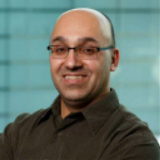
Currently, I am Executive Director at Structure Therapeutics, where I am leading a team and effort to leverage high-throughput affinity-based selection technologies to discover novel chemical matters for GPCR targets. Prior to Structure Therapeutics, I was Director of Discovery Technologies at Relay Therapeutics, where I led a group focused on advancing DNA Encoded Library screening to enable the discovery of novel chemical matter via Machine Learning. Prior to joining Relay, I worked at GlaxoSmithKline, where I spearheaded efforts to enable functional DEL screening, DEL screens for lead discovery programs, and the application of DEL for targeted delivery.

*活动内容有可能不事先告知作更动及调整。。

Choose your language
Chinese
Japanese
Korean
English